
To obtain medical care for a reptile in Montreal, it is essential to contact a veterinary hospital that formally treats lizards, snakes, or turtles. Clinical expertise, anesthetic equipment, and hospitalization facilities differ significantly across exotic species.
Across the Greater Montreal area, two primary referral centers provide comprehensive care: the Bird & Exotic Animal Hospital located on the island, and the Exotic Animal Clinic at the Centre hospitalier universitaire vétérinaire (CHUV) in Saint-Hyacinthe for specialized diagnostics and emergencies. Calling ahead before traveling is imperative to ensure a qualified exotic veterinarian is on duty.
Seek immediate veterinary care if your pet breathes with an open mouth, becomes lethargic, stops eating, exhibits tremors, or sustains an injury. In reptiles, vivarium husbandry parameters (temperature gradient, humidity, UVB spectrum) are integral to medical diagnosis.
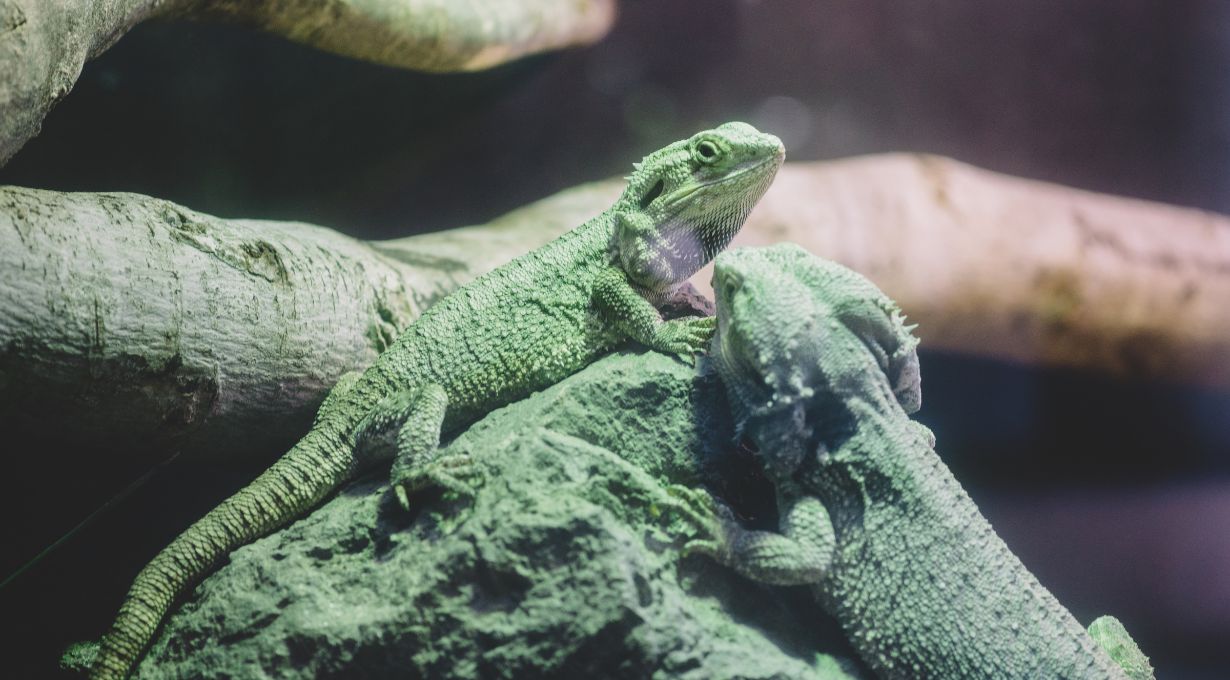
Why consult a specialized veterinarian for your reptile?
Reptiles are ectothermic animals whose metabolism, digestion, and immune function depend directly on external environmental heat. Their unique anatomical and physiological traits make standard canine or feline medicine inapplicable:
- Drug absorption and elimination rates fluctuate based on the animal's internal body temperature;
- Clinical signs of illness or pain remain subtle and often appear only at advanced stages;
- The majority of health conditions stem directly from environmental vivarium husbandry errors;
- Phlebotomy, diagnostic radiography, and inhalant anesthesia require species-specific clinical protocols tailored to each reptile family.
Where to find reptile veterinary care in and around Montreal?
Two specialized referral centers provide dedicated medical and surgical care:
| Facility | Location | Services provided |
| Bird & Exotic Animal Hospital | Sherbrooke Street West, Montreal | Preventative medicine, soft tissue surgery, dentistry, and diagnostic workups for exotic companion mammals and reptiles. |
| CHUV Exotic Animal Clinic | Faculty of Veterinary Medicine, Saint-Hyacinthe | University referral hospital, 24/7 emergency intensive care, advanced imaging, and climate-controlled hospitalization units. |
Certain local neighbourhood practices include clinicians with an interest in exotic medicine. Always specify the exact species over the phone (e.g., bearded dragon, ball python, or sulcata tortoise) to confirm their technical scope of practice.
What vivarium husbandry information should you bring to your visit?
A complete medical evaluation depends as much on environmental husbandry as it does on the physical examination. Prepare the following details:
- Temperature logs: Precise surface temperature at the basking spot, ambient cool side, and overnight temperatures (measured with a digital probe or infrared temp gun);
- Relative humidity: Hygrometer percentage readings and misting schedule;
- UVB lighting: Brand, wattage, output percentage, installation date, and distance from the reptile (unobstructed by glass or fine mesh);
- Dietary intake: Feeder insect species, greens and vegetables offered, calcium and multivitamin dusting frequency;
- Photographs: Clear pictures showing enclosure layout, hides, heating elements, and monitoring gauges.
What is metabolic bone disease (MBD)?
Nutritional secondary hyperparathyroidism, commonly referred to as metabolic bone disease (MBD), is one of the most frequent pathologies in captive lizards and chelonians. It develops from chronic serum calcium deficiencies caused by inadequate dietary intake or lack of full-spectrum UVB exposure, which is necessary for vitamin D3 synthesis.
To maintain essential organ function, the body resorbs calcium directly from skeletal structures. Symptoms include rubbery jaws, soft shells, muscle tremors in digits, spontaneous fractures, and irreversible spinal deformities. Treatment requires medically supervised supplementation and an immediate overhaul of enclosure lighting parameters.
What are the signs of a life-threatening emergency in a reptile?
Contact an equipped veterinary facility immediately if you observe any of the following clinical signs:
- Respiratory distress: Open-mouth breathing, nasal discharge or bubbling from the nares, exaggerated neck extension;
- Neurological impairment: Severe loss of muscle tone, seizures, inability to right itself, uncoordinated rolling;
- Cloacal prolapse: Protrusion of pink or dark red tissue from the vent (hemipenes, intestine, or oviduct);
- Egg binding (dystocia): Distended, lethargic female straining repeatedly without passing eggs;
- Severe cutaneous trauma: Thermal burns from heating pads or lamps, deep lacerations, or bites inflicted by live feeder rodents.
How do you safely transport your reptile to the veterinarian?
Transit stress and sharp thermal fluctuations can rapidly destabilize an already compromised animal:
- Lizards and turtles: A sturdy, opaque plastic container lined with paper towels, free of loose decor items that could shift and crush the animal;
- Snakes: A breathable cloth transport bag (such as a clean pillowcase) securely tied, placed inside a ventilated plastic tub;
- Thermal regulation: Warm up the vehicle during cold months. Place a warm water bottle or towel-wrapped heat pack underneath the outer bin, avoiding direct skin contact with the heating source;
- Aquatic turtles: Transport dry on a slightly damp towel for short travel times, without open standing water in the container.
What are the zoonotic risks (salmonellosis) at home?
Reptiles can serve as asymptomatic carriers of Salmonella bacteria within their gastrointestinal tracts without exhibiting clinical illness. Human transmission occurs through accidental ingestion following direct contact with the animal, enclosure substrate, or bath water.
Always wash hands thoroughly after handling, clean accessories away from food preparation areas or kitchen sinks, and keep reptiles off surfaces where human meals are prepared. Heightened caution is required in homes with young children, pregnant individuals, or immunocompromised family members.
Key takeaways
- Not all veterinary facilities carry the specialized diagnostic instrumentation needed for reptiles: confirm the exact species in advance.
- The vast majority of captive reptile illnesses stem from inappropriate enclosure temperatures, humidity levels, or lack of active UVB lighting.
- Track temperatures using digital probes and replace UVB bulbs according to manufacturer lifespans.
- Open-mouth breathing, extreme weakness, or cloacal prolapse represent life-threatening emergencies requiring immediate attention.
- Keep the reptile warm during transit while avoiding direct contact with uninsulated heat packs.
Veterinary services and Velvet
Providing medical care for exotic reptiles requires specialized containment facilities, specific monitoring gear, and dedicated clinical protocols. For this reason, the Velvet network focuses its medical and surgical services exclusively on canine and feline companions.
Providing medical care for exotic reptiles requires specialized containment facilities, specific monitoring gear, and dedicated clinical protocols. For this reason, the Velvet network focuses its medical and surgical services exclusively on canine and feline companions.
References
- Association of Reptile and Amphibian Veterinarians (ARAV) – Guidelines for Husbandry and Veterinary Care of Reptiles.
- Centre hospitalier universitaire vétérinaire (CHUV) – Exotic animal clinic and emergency service.
- Merck Veterinary Manual – Management, Husbandry, and Metabolic Disorders in Reptiles.
- Association of Reptile and Amphibian Veterinarians (ARAV) – Salmonella in Reptiles and Amphibians: Guidelines for Owners.