
Body weight directly impacts your dog or cat’s mobility, joint comfort, and life expectancy. Excess adipose tissue is far more than a cosmetic concern: body fat is an active endocrine tissue that fuels chronic low-grade inflammation while placing substantial mechanical strain on every joint.
The number on the scale alone does not tell the whole story. A comprehensive veterinary assessment combines the Body Condition Score (BCS), the Muscle Condition Score (MCS), physical activity levels, and a thorough analysis of daily caloric intake.
A weight management plan must strictly be gradual and medically supervised—especially in cats, to eliminate the fatal risk of hepatic lipidosis, and in senior pets whose joints are compromised by osteoarthritis.
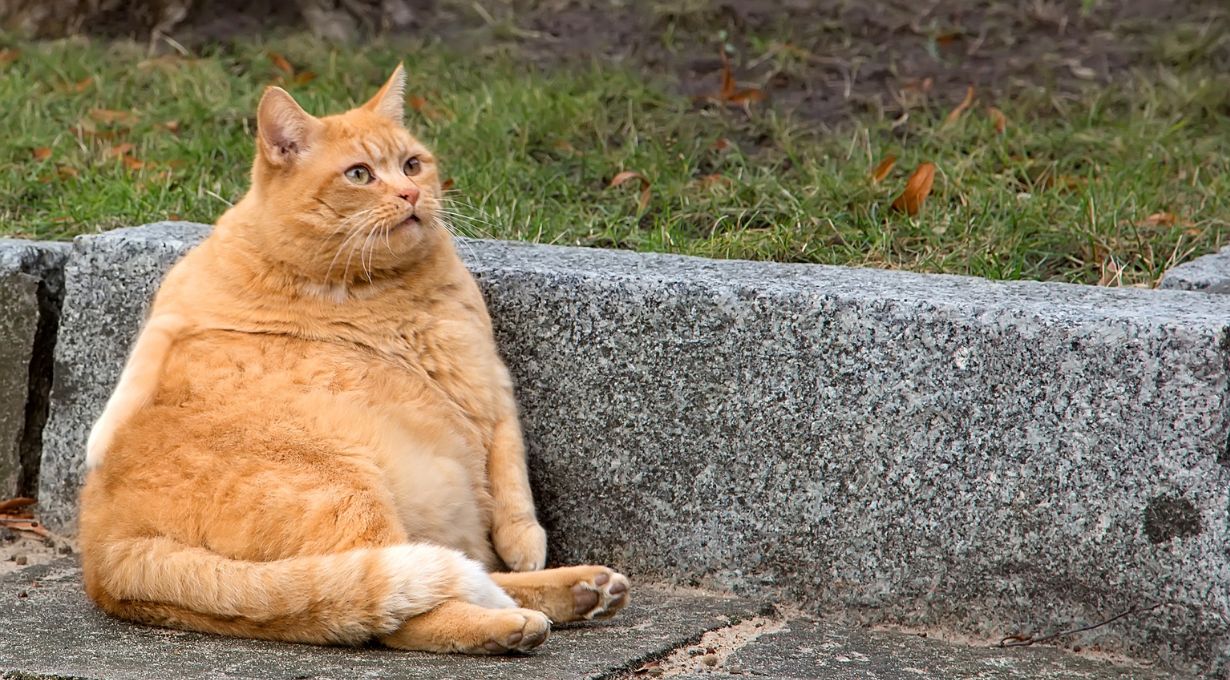
Part 1: Why Does Weight Impact Your Pet’s Health and Longevity?
Adipose tissue secretes adipokines and pro-inflammatory cytokines that disrupt the body’s metabolic balance. In dogs, clinical studies show that sustained excess weight can reduce life expectancy by up to two years and exacerbate osteoarthritis pain. In cats, it predisposes them to diabetes mellitus, urinary disorders, and skin conditions caused by their inability to groom effectively.
The smaller the pet, the heavier the impact of weight gain: an extra pound or kilogram that seems negligible on a human scale places an enormous physiological burden on a small animal:
| Pet size | Typical body weight | 0.5 kg (1.1 lb) Excess as % of Weight | Human Equivalent (Based on a 75 kg / 165 lb Person) |
| Small dog or cat | 5 kg | +10.0% ideal weight | Equivalent to 7.5 kg (16.5 lbs) of excess weight |
| Medium-breed dog | 20 kg | +2.5% ideal weight | Equivalent to 1.9 kg (4.2 lbs) of excess weight |
| Large-breed dog | 40 kg | +1.25% ideal weight | Equivalent to 0.9 kg (2.0 lbs) of excess weight |
Part 2: How to Assess Body Condition and Muscle Mass
Veterinary medicine uses the 1-to-9 Body Condition Score (BCS) system standardized by the WSAVA, where scores of 4 ou 5 sur 9 incarnent la morphologie idéale :
- Rib palpation: The ribs should be easily felt under light finger pressure, without an overlying thick layer of fat or prominent bony protrusions;
- Top view: A clear hourglass waistline should be visible behind the ribcage;
- Side profile view: The ventral abdomen should clearly tuck up toward the groin;
- Muscle Condition Score (MCS): Distinguishes true muscle loss from body fat by palpating the spine, temporal bones of the head, and pelvic wings, allowing the detection of muscle wasting even in an overweight pet.
Part 3: How to Establish a Safe Weight Loss Plan
Simply cutting down portions of regular kibble causes micronutrient deficiencies and amplifies hunger. A structured protocol relies on rigorous steps:
- Accurate caloric intake calculation: Calculating caloric requirements based on target ideal weight rather than current weight;
- Using a digital kitchen scale: Measuring cups cause volume discrepancies of up to 20%; only weighing food to the nearest gram ensures absolute consistency;
- Accounting for all treats and extras: Training treats, table scraps, and foods used to hide medication must all be deducted from the daily caloric allowance;
- Therapeutic satiety diets: Veterinary formulas high in fiber and protein that preserve lean muscle mass without dietary frustration;
- Absolute feline safety: Never subject an overweight cat to rapid fasting, as this can trigger life-threatening hepatic lipidosis in less than 48 hours.
Part 4: Adapting Physical Exercise and Managing Pain
Physical exercise must be carefully modulated to increase caloric expenditure without aggravating worn joint cartilage:
- Gradual exercise for dogs: Prioritize frequent, controlled walks on soft terrain over intense weekend runs; incorporate puzzle feeders and snuffle mats;
- Environmental enrichment and activity for cats: Scatter small portions of food at elevated spots and offer multiple 3- to 5-minute interactive play sessions using feather wands and laser pointers;
- Multimodal pain management: If the animal hesitates to move forward or limps afterward, targeted pain therapy (NSAIDs or monoclonal antibodies) must be initiated before increasing any physical activity.
Key takeaways
- Excess body weight maintains a state of chronic, low-grade inflammation and directly accelerates joint degradation.
- A Body Condition Score of 4 or 5 out of 9 represents the gold standard for an ideal, healthy physique.
- An excess of just 0.5 kg (1 lb) is proportionally equivalent to more than 7 kg (15 lbs) of extra weight on a 5-kg pet relative to a human frame.
- Weigh daily food rations on a digital kitchen scale and track every single treat given throughout the day.
- Always consult your veterinary care team before making drastic changes to the daily diet of a cat or senior dog.
Weight Management at Velvet
At Velvet, weight management is an integral part of our comprehensive health exams. Our veterinarians evaluate your dog or cat’s body condition and muscle mass, calculate their actual caloric needs, and check for underlying joint pain that may be limiting their mobility.
Together with you, we develop a realistic nutritional plan based on regular weight check-ins and tailored adjustments to help your companion regain vitality and protect their joints over the long term.
References
- World Small Animal Veterinary Association (WSAVA) – Global Nutrition Guidelines: Body and Muscle Condition Scoring.
- American Animal Hospital Association (AAHA) – 2021 AAHA Nutrition and Weight Management Guidelines for Dogs and Cats.
- Journal of Veterinary Internal Medicine – Association Between Life Span and Body Condition in Neutered Client-Owned Dogs.
- Veterinary Research Communications – The Effect of Weight Loss on Lameness in Obese Dogs with Osteoarthritis.
- Journal of the American Animal Hospital Association – 2022 AAHA Pain Management Guidelines for Dogs and Cats.